

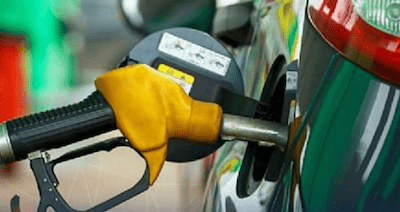
Photo: Fuel being filled (fuel price drops in Ghana)
Ghana is gearing up for a substantial relief as fuel prices are slated to decrease significantly from November 1, 2025, according to a recent announcement by JoyNews.
The anticipated reduction, driven by a drop in global crude oil prices to $62.82 per barrel and a strengthened Ghanaian cedi, promises to ease the financial burden on consumers. Petrol prices are expected to fall by up to 5.21% to GH¢12.92 per liter, diesel by 6.03% to 8.13% to GH¢13.10 per liter, and liquefied petroleum gas (LPG) by 6.66% to GH¢13.60 per kilogram. This marks the largest monthly decline in fuel costs this year, offering a welcome break from the soaring expenses that have plagued the nation.
Ghana Braces for Major Fuel Price Drop Starting November 1, 2025 [JOYNEWS]
Fuel prices set to be reduced by a significant margin from Nov. 1
Follow our WhatsApp channel for all the breaking stories: https://t.co/2sFSjJVEeA#JoyNews pic.twitter.com/VJgrtuL9bj
— JoyNews (@JoyNewsOnTV) October 29, 2025
The economic shift is largely attributed to the cedi’s impressive 11.22% appreciation against the US dollar in October 2025, coupled with strategic interventions by the Bank of Ghana. This development has sparked optimism among Ghanaians, who are hopeful that the reduced fuel prices will stabilize transport fares and lower the cost of goods and services. However, some citizens remain skeptical, citing past instances where transport unions failed to adjust fares despite fuel price drops. Social media reactions on platforms like X reflect a mix of excitement and cautious anticipation, with users urging authorities to ensure the benefits reach all sectors of society.
Industry experts, including the Chamber of Oil Marketing Companies (COMAC), have confirmed the price adjustments, highlighting the role of global market trends in this change. The significant fuel price decrease in Ghana is seen as a potential boost to household budgets amid ongoing inflation challenges. As the nation approaches the implementation date, discussions are intensifying about how this reduction could influence the broader economy, including export competitiveness and local purchasing power. The government is under pressure to monitor the situation closely to maximize the positive impact on citizens.

Public response on X has been lively, with many Ghanaians expressing relief while calling for transparency in how the savings are passed on to consumers. Comments range from demands for transport unions to lower fares to political jabs at the ruling party, reflecting the high stakes of this economic move. As the countdown to November 1 continues, all eyes are on the government and industry stakeholders to deliver on the promise of this significant fuel price cut, which could reshape the cost of living for millions across the country.
With the implementation just days away, experts suggest that the impact of this fuel price reduction could extend beyond immediate savings, potentially influencing long-term economic stability. The interplay between global oil trends and local currency strength positions Ghana as a case study for other emerging markets. As households and businesses prepare for potential cost relief, the success of this initiative will depend on coordinated efforts to ensure the benefits trickle down effectively, making it a critical moment for the Ghanaian economy in 2025

Leave a Comment