

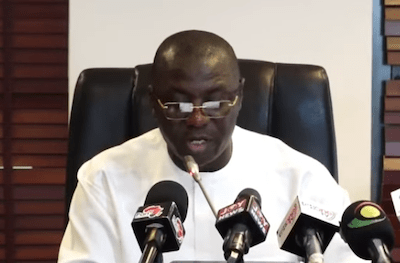
Photo: Former Finance Minister Dr. Mohammed Amin Adam
As of November 16, 2025, the Minority in Ghana’s Parliament has launched a scathing critique, accusing the International Monetary Fund (IMF) of “sleeping on the job” amid alleged fiscal mismanagement by the current government.
Led by former Finance Minister Dr. Mohammed Amin Adam, the New Patriotic Party (NPP) faction claims the government is straying from agreed fiscal agreements, particularly highlighting the Bank of Ghana’s (BoG) alleged financing of GoldBod. This move, they argue, violates a Memorandum of Understanding with the IMF that prohibits monetary financing by the central bank, raising concerns about economic transparency and adherence to international commitments.
The controversy centers on the BoG’s reported injection of funds into GoldBod, a state entity, despite a 2025 budget allocation of $279 million that remains unreleased. Dr. Adam emphasized that this action undermines the IMF’s oversight role, accusing the government of deviating from the agreed primary balance formula. The Minority further alleges that revenue targets for 2025 were missed, with only 56% of allocated funds for goods and services and 34% of the capital expenditure budget released, suggesting a pattern of fiscal irresponsibility that could jeopardize Ghana’s economic recovery.
Minority Accuses IMF of Inaction as Ghana Government Faces Fiscal Deviation Claims
The IMF, which has been supporting Ghana with a $3 billion loan program, has yet to respond officially to these claims as of 11:37 AM GMT today. However, the accusations come at a sensitive time, following a recent staff-level agreement on the fourth review of the program, set to unlock $370 million. The Minority insists that the government is capitalizing on economic gains—such as a 6.3% GDP growth in 2025—initiated under the previous NPP administration, without introducing new policies to sustain progress. This political tension could influence the upcoming IMF executive board approval of the latest tranche.

Public and political reactions on platforms like X have intensified, with some users supporting the Minority’s call for accountability, while others defend the government’s efforts to stabilize the economy post-debt restructuring. The Minority’s critique also points to broader concerns about the central bank’s forex interventions, which they attribute to reserves built before the current administration took office in January 2025. As Ghana navigates this fiscal debate, the outcome could shape its relationship with the IMF and the trajectory of its economic policies in the coming months.
With the nation still reeling from its worst economic crisis in decades, the allegations of IMF negligence in Ghana’s economy add a layer of complexity to the government’s fiscal strategy. Experts suggest that resolving these disputes will require transparent audits and adherence to agreed frameworks to maintain investor confidence. As the situation unfolds, all eyes are on the IMF’s response and the government’s next steps, which could determine whether Ghana’s economic recovery remains on track or faces further setbacks in 2025.

Leave a Comment