

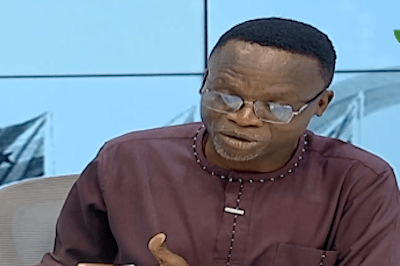
Photo of Ghanaian Economist Kwame Domfeh
Economist Kwame Domfeh has urged caution in attributing Ghana’s recent economic improvements solely to the Ghana Gold Board (GoldBod).
Speaking on a local economic forum, Domfeh acknowledged the positive role of GoldBod, established in 2025 to formalize artisanal gold mining and boost national revenue, but warned that it is premature to credit the entity for all economic progress. This comes amid growing optimism about Ghana’s fiscal recovery, including a significant public debt reduction and a stronger cedi, which some have linked to GoldBod’s operations since its inception.
Domfeh emphasized that while GoldBod has contributed to increased gold export earnings—estimated at over $11 billion in 2024 with a 53.2% growth—the broader economic turnaround reflects a combination of factors. These include global gold price surges to over $3,200 per ounce, prudent fiscal policies under Finance Minister Dr. Cassiel Ato Forson, and the cedi’s 11.22% appreciation in October 2025. “GoldBod is good, but it’s too early to credit them for everything happening in the economy,” he stated, suggesting that structural reforms and international support, such as the recent IMF agreement, have also played critical roles.
Economist Domfeh Cautions Against Over-Crediting GoldBod for Ghana’s Economic Gains
Economist Dr. George Domfeh cautions against attributing recent economic gains solely to the GOLDBOD program, stating it is “too early” and that we would be “deceiving ourselves” to ignore the existing positive performance.#TheKeyPoints #TV3GH pic.twitter.com/5952Adq0U6
— #TV3GH (@tv3_ghana) November 15, 2025
The economist’s remarks have sparked debate on X, where opinions are divided. Supporters of GoldBod argue its formalization of the artisanal mining sector, employing over a million people, has stabilized gold flows and reduced smuggling, directly benefiting the economy. Critics, aligning with Domfeh’s view, point out that the entity’s full impact is yet to be realized, with some questioning whether its $279 million budget allocation has been effectively utilized. This discussion coincides with the government’s push to solidify economic gains ahead of the 2026 Budget implementation.

As Ghana navigates its economic recovery in 2025, the GoldBod economic contribution debate highlights the complexity of attributing success to a single initiative. Domfeh’s analysis suggests that while GoldBod has laid a foundation for growth, sustained progress will depend on coordinated efforts across sectors. With the nation’s gold output projected to rise to 5.1 million ounces in 2025, the coming months will test whether GoldBod can deliver on its promise, especially as public expectations for tangible benefits rise.
The ongoing dialogue around GoldBod’s role underscores a pivotal moment in Ghana’s economic landscape. As of today, with the cedi strengthening and debt dropping to 45% of GDP, the government faces pressure to clarify how initiatives like GoldBod fit into the broader Ghana economic recovery 2025. Domfeh’s caution serves as a reminder that while the entity is a promising tool, a holistic approach will be essential to ensure lasting prosperity for Ghanaians.

Leave a Comment