

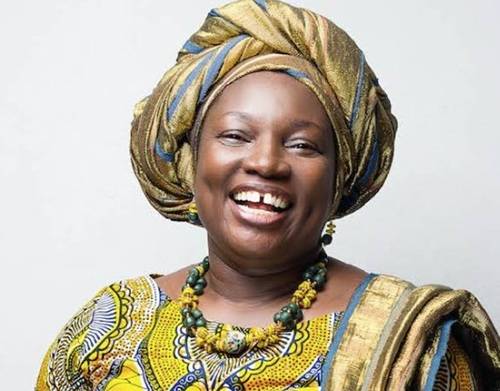
Diana Hopeson
Diana Hopeson Raises Concerns Over Foreign Ownership of Ghanaian Music Catalogues
Ghanaian gospel musician and music industry figure Diana Hopeson has revealed that some Ghanaian artistes have recently sold their music catalogues to Chinese investors.
According to her, several foreign investors have entered Ghana and acquired rights to music catalogues, raising concerns about who ultimately owns and controls some of the country’s musical heritage.
Diana Hopeson made the revelation during an interview, explaining that the development is particularly concerning because many Ghanaian artistes do not fully own the rights to the music they have created.
She suggested that the lack of proper ownership structures and education within the music industry has made it easier for artistes to part with valuable catalogues.
“The Chinese came around recently and bought a lot of Ghanaian music catalogues.” — Diana Hopeson
Foreign Investors Acquiring Ghanaian Music Rights
The comments have reignited discussions about music catalogue ownership in Ghana and the financial pressures that can lead artistes to sell their intellectual property.
CHECK THIS ALSO: Ofori Amponsah ‘Betrayed’ Barosky Over ‘Netflix’ Deal – Appietus Alleges
Music catalogues can generate income through streaming, royalties, licensing, publishing and other forms of commercial use. Selling such rights can provide artistes with immediate financial returns but may also mean giving up future control and earnings from their work.
Diana Hopeson’s comments come amid broader concerns about foreign ownership of Ghanaian music catalogues. Reports and industry discussions have previously highlighted the acquisition of Ghanaian music rights by foreign investors.
The development has sparked questions about whether Ghanaian artistes are receiving adequate legal and financial guidance before entering catalogue-sale agreements.
Concerns Over the Future of Ghanaian Music
For many industry stakeholders, the issue goes beyond individual business transactions because music represents an important part of Ghana’s cultural identity.
Diana Hopeson’s revelation is therefore likely to fuel further debate about how artistes can protect their intellectual property while still benefiting financially from their music.
The conversation also highlights the importance of artistes understanding the difference between ownership of their masters, publishing rights, songwriting rights and royalty interests before signing agreements.
As the global value of African music continues to increase, ownership of Ghanaian music catalogues is expected to remain an important issue for artistes, producers and other industry stakeholders.
Ghanaian Music Catalogues SOLD
Some people recently came into town and bought several Ghanaian music catalogues — Diana Hopeson
Watch full interview here https://t.co/6uDD52oOI3#KafuiDeyInterviews pic.twitter.com/tPK7DCyRte
— Kafui Dey (@KafuiDey) August 24, 2026

Leave a Comment